Entry · Ref M7L011C4
Mini nicotine pouches: what the first few minutes feel like
- Posted
- 2026-11-27
- Last amended
- 2026-11-27
- Account
- @nicotinenotebook
Mini nicotine pouches are small portions placed in the mouth, usually between the lip and gum, where they release nicotine and flavour over time. The first few minutes are often the most noticeable part for a new user, because the senses are fresh and the pouch is still changing from a dry, compact piece into a soft, moist one. Knowing what normally happens can make the experience less confusing and help the reader judge whether a pouch is suitable.
Adults aged 18 and over may see pouches grouped by strength and flavour, including smaller formats often described as mini. The word points to size rather than a mild effect. A mini pouch can still contain a meaningful amount of nicotine, so strength needs as much attention as format. The first minutes are shaped by the pouch itself, the placement, and the person's tolerance.
What happens as the pouch settles
A dry pouch starts to absorb moisture as soon as it sits in the mouth. Saliva moves through the plant-based filler or other pouch material, and the contents begin to release nicotine and flavouring. The texture changes first. It may feel firm at the edge, then softer and more even as the pouch warms and moistens. This is normal, and it is why a pouch can feel different from the first second to the fifth minute.
Many users notice a short burst of flavour early on. Mint and fruit flavours can feel sharp at first, especially if the pouch is placed close to a sensitive part of the gum. Tobacco-style flavours may build more slowly and taste less bright. Flavour strength and nicotine strength are not the same thing, so a strong taste does not always mean a strong nicotine hit, and a mild taste may still come with a higher strength.
Nicotine absorption happens through the lining of the mouth. It does not need smoke, vapor, or combustion. Once the pouch is moist, nicotine can pass from the pouch material into the saliva and then through the oral tissue. The pace varies from person to person. Some people feel effects quickly, while others notice little at first and only register the pouch after several minutes. That difference is one reason early impressions can be misleading.
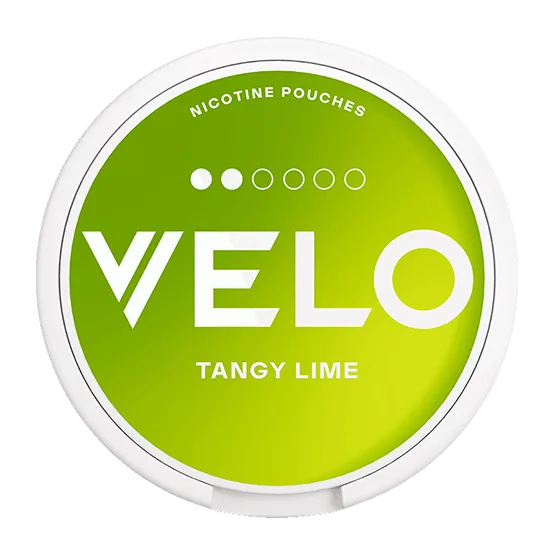
Nic Pouch uk is one name a reader may come across when browsing nicotine pouches by strength and flavour. The useful point for a newcomer is not the label on the shop but the information on the product: strength, flavour, pouch size and the amount of nicotine stated by the maker. Those details give a better starting point than guessing from the smell or the colour of the tin.
Common sensations in the opening minutes
The first sensation is usually physical. A pouch takes up space, so it can feel like a small tablet or a folded piece of fabric against the lip. Pressure against the gum may be noticeable at first, then fade as the mouth adjusts. If the spot feels uncomfortable, moving the pouch to a nearby area often helps more than pressing it harder into the same place.
A tingling or warming feeling is also common, particularly with mint, cooling or strong products. This comes from flavour ingredients and the way the mouth responds to them. It can feel lively or slightly intense, but it should not feel like pain. A burning sensation, soreness or a strong urge to remove the pouch right away are signs to stop rather than push through.
Nicotine itself can produce a range of early effects. Some adults report a light head rush, a calmer mood, or a sharper sense of focus. Others feel little beyond the taste and texture. New users may be more sensitive, especially if they do not usually use nicotine. A high-strength pouch can feel uncomfortable in a short space of time, so a lower strength is a more sensible starting point for someone who is unsure.
It is worth separating expected effects from warning signs. Mild tingling, a clear taste and a sense of the pouch in the mouth are part of normal use. Dizziness, nausea, sweating, a racing heart or feeling unwell are not signs to ignore. Removing the pouch, drinking water and sitting down are sensible responses if someone feels odd. If symptoms are severe or do not settle, medical advice is the right route.
Placement and fit change the experience
Placement affects how quickly a pouch becomes comfortable and how strongly it is noticed. The usual area is between the upper lip and gum, though some people prefer the lower lip. A position that is too high can rub against the lip, while one that is too low may interfere with speech or drinking. A pouch does not need to be held in place with force. Gentle contact is enough.
Some pouches are slim and sit flat, while others feel bulkier even when the format is small. Mini nicotine pouches are often chosen by people who want a less obtrusive shape, but comfort still depends on the mouth and the chosen spot. A pouch that keeps sliding may be too dry at the start or placed on a smooth surface. Giving it a little time to moisten can help, but persistent discomfort means it is better to remove it.
Talking and drinking can draw attention to the pouch during the first minutes. The pouch may shift, and water can dilute the flavour for a short while. This does not mean the pouch has stopped working. It simply changes the local taste and moisture around it. Trying to keep the mouth still for a few minutes can make the first impression easier to read, though there is no need to sit stiffly or avoid normal speech.
Strength, tolerance and timing
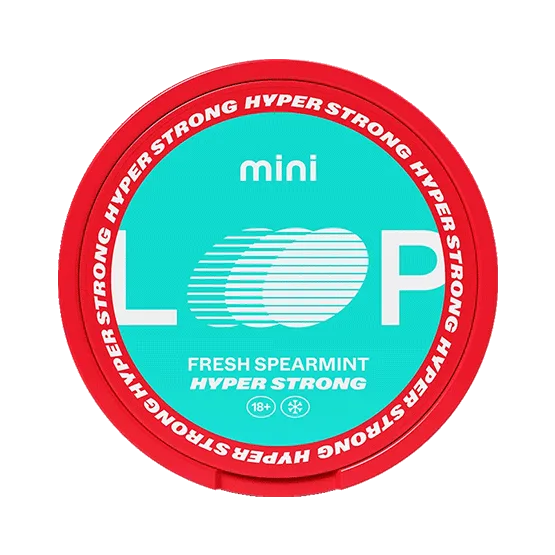
Strength labels can be confusing because they may refer to nicotine per pouch or nicotine per gram. A smaller pouch can contain less nicotine than a larger one at the same per-gram strength, but the label format still matters. Reading the stated amount helps avoid comparing unlike products. For adults new to pouches, the aim is to find a level that feels manageable, not to chase the strongest option available.
Tolerance plays a large part in the first few minutes. Someone who uses nicotine regularly may feel little from a pouch that feels strong to a person who rarely uses it. Tolerance can also change over time, and a product that once felt mild may feel different later. It is sensible to pay attention to the whole experience rather than the first burst of flavour, which can pass quickly.
Timing is another factor. Nicotine pouches are not instant in the way a sharp taste is instant. The flavour can appear fast while nicotine takes longer to build. This can lead someone to add another pouch too soon, which raises the chance of unwanted effects. A calm approach is better: keep the first pouch in place, notice how the feeling develops, and avoid stacking pouches just because the opening minutes felt underwhelming.
Products are organised by strength and flavour on the site context supplied for Nic Pouch uk, which reflects how many adults narrow down their choice. That approach makes practical sense because those two features shape the first minutes more than most people expect. Strength affects how the body responds, while flavour affects how the mouth reacts. Size changes the feel and the fit.
When to stop or change course
The first few minutes are a useful check-in. If the pouch feels comfortable, the taste is acceptable and there are no unpleasant effects, there is usually no reason to rush. If the sensation is too sharp, move the pouch once rather than repeatedly. If the flavour is overpowering, removal is a reasonable choice. There is no benefit in enduring a pouch that makes the mouth sore or leaves someone feeling sick.
Gum health also deserves attention. Repeated placement in the same spot can irritate the area, especially if a pouch is firm, strongly flavoured or left in too long. Alternating sides can reduce that pressure. A cut, ulcer or inflamed patch is a good reason to avoid that area until it has settled. Persistent mouth soreness should be checked by a dental professional.
Nicotine pouches are for adults aged 18 and over. They are not harmless, and nicotine can be addictive. They are not intended for children, pregnant people or those who do not already use nicotine. Anyone with a medical condition or taking medication should seek suitable advice before using nicotine products. Keeping pouches away from children and pets matters, as the small format can be mistaken for sweets or food.

A practical way to read the first experience
The opening minutes can be judged through a few simple observations. Does the pouch feel comfortable, or does it rub? Is the flavour pleasant, or does it sting? Does the strength feel light, steady or too much? Are any physical effects arriving quickly? These questions turn a vague experience into useful information.
A first pouch does not have to define the whole category. A different flavour, a lower strength or a slimmer format can produce a very different impression. The key is to treat the first minutes as feedback rather than a test of endurance. Comfort, control and clear product information matter more than trying to match someone else's experience.
For readers comparing mini nicotine pouches, the early phase is mostly about moisture, flavour release and how the body responds to nicotine. A little patience helps. The pouch changes, the mouth adapts, and the true strength becomes clearer after the initial sensations settle. That is the point at which a product becomes easier to judge.